Gene Therapy Shows Promise for LAMA2-Related Dystrophy

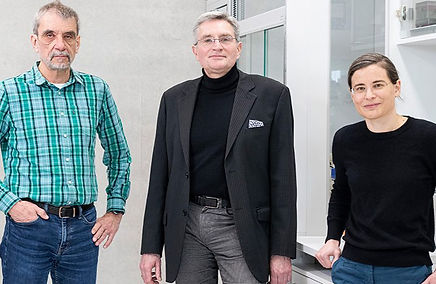
Researchers at the University of Basel are developing a gene therapy that could potentially treat those living with LAMA2-Related Dystrophy.
Hope for affected families lies in a gene therapy that Prof. Markus Rüegg’s team at the Biozentrum, University of Basel, has been developing for several years with its spin-off SEAL Therapeutics.
“With our first approach, we were able to restore muscle function and slow disease progression in a mouse model for LAMA2-related muscular dystrophy,” says Rüegg. “We have since further optimized this approach. It now allows us not only to treat the diseased muscles and the muscle weakness itself successfully, but also the neuropathy associated with the condition.”
In the current study, published in the journal Molecular Therapy, researchers report that their gene therapy approach is effective in diseased mice. The study shows in animal models that a single treatment is sufficient to stabilize muscles and nerves and to halt disease progression.
“When we treat the animals immediately after birth, they develop quite normally just like their healthy peers. They live long lives, and their muscles and nerves function almost normally,” says lead investigator Dr. Judith Reinhard.
The team has advanced the gene therapy to a stage at which, following further safety testing, its effectiveness can be tested in human clinical trials. “We now have a therapy that is ready for the next translational steps,” emphasizes Reinhard. “However, bringing it to clinics and patients – particularly given the extremely complex and costly production of the therapy – poses a major challenge.”
Thanks to financial support from foundations and patient organizations, we were able to lay the basis to prepare this gene therapy for use in humans.”
Read the full article on the University of Basel's website. Full credit and our appreciation, not only to the members of the Rüegg Lab, but also author Katrin Bühler.
____________________________________________________________
This work has been funded, in part, by Cure CMD through donations from our generous supporters. Learn more about Cure CMD's research strategy and funding portfolio. Want to support vital research? Make your tax deductible donation today.